
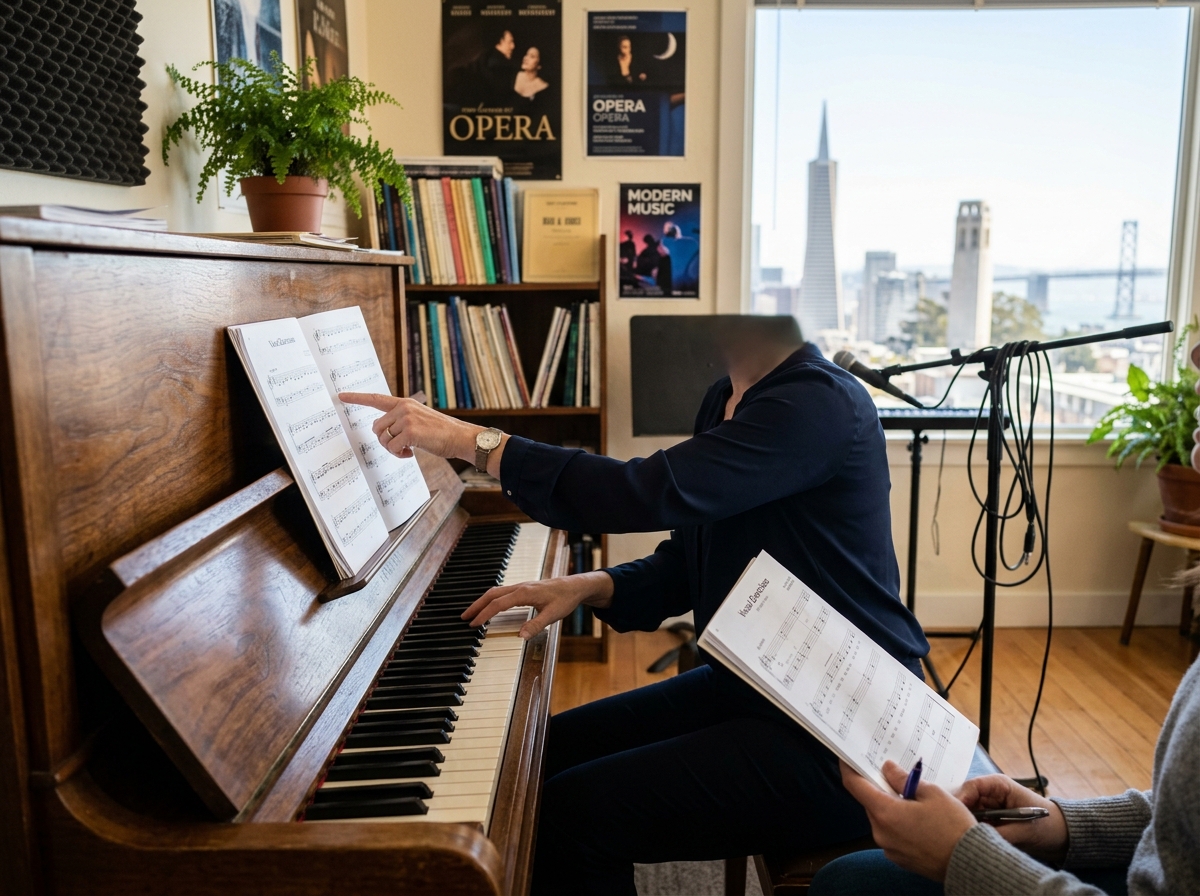
How to Choose a Singing and Vocal Lessons Provider in San Francisco
Finding the right vocal instructor is one of the most important decisions you'll make as a singer. Whether you're a complete beginner hitting your first notes or an experienced performer looking to refine your technique, the quality of your instruction directly impacts your progress and enjoyment of music. San Francisco has no shortage of singing teachers, but not all of them are created equal. Some focus purely on technique, while others prioritize performance confidence. Some work best with specific genres or age groups. This guide will help you navigate the decision-making process with clarity, so you can find a vocal lessons provider who truly matches your goals and learning style.
Understanding Your Vocal Goals Before Searching
Before you start evaluating providers, get clear on what you want to achieve. Are you training for musical theater? Building confidence to sing at open mics? Developing professional-level technique? Exploring a specific genre like R&B, rock, or jazz? Your goals shape which instructor will be the best fit.
Different vocal instructors specialize in different areas. Some excel at foundational technique and breath control for classical singers. Others focus on performance coaching and stage presence. Many providers now offer online vocal lessons alongside in-person instruction, which matters if you value flexibility or live in a harder-to-reach part of the Bay Area.
Red Flags to Avoid When Evaluating Vocal Instructors
Certain warning signs suggest an instructor may not be the right match for you.
Watch out for instructors who promise quick results or claim they can teach you to "sound like" a famous artist in a few weeks. Real vocal development takes time and consistent practice. Quality instructors are honest about the timeline for building skills.
Be cautious of teachers who use only one method or refuse to adapt their approach. Every voice is different, and good instructors customize their teaching to your unique vocal range, strengths, and learning style. If a teacher seems inflexible or dismissive of your musical preferences, that's a concern.
Instructors who don't ask about your goals or experience level in the first lesson may not be paying attention to what you actually need. The best providers start with a thorough assessment of where you are and where you want to go.
Finally, be wary of prices that seem unusually cheap or unusually expensive without clear justification. Extremely low rates might indicate less experience or preparation. Extremely high rates should come with clear credentials, extensive experience, or specialized expertise you're specifically seeking.
Questions to Ask Before Committing
Prepare a short list of questions before your first lesson or consultation.
Ask about the instructor's training and background. Where did they study? Do they have performance experience? Are they still actively performing? Instructors who continue to perform professionally bring current, practical knowledge to their teaching.
Inquire about their teaching approach and philosophy. How do they structure lessons? What do they focus on first with beginner singers? How do they handle students who want to work on specific genres or styles? A clear answer shows they've thought carefully about their method.
Ask about lesson structure and frequency. How long are lessons? Do they recommend weekly sessions? What homework or practice assignments do they give between lessons? Accountability and structured practice matter more than lesson frequency alone.
Request information about cancellation policies, makeup lessons, and payment options. Understanding the logistics upfront prevents frustration later.
Ask for references or reviews from current or past students. Any reputable instructor should be comfortable providing testimonials or directing you to online reviews.
What Sets Quality Vocal Instruction Apart
Excellent vocal instructors share several key characteristics.
They diagnose your specific needs quickly. A good first lesson involves listening to you sing, asking about your background, and identifying your vocal strengths and areas for development. They don't assume everyone needs the same work.
They teach technique with purpose. Rather than drilling scales mindlessly, they explain why certain exercises build specific skills and how those skills apply to the music you want to sing. You should understand the reasoning behind what you're learning.
They offer feedback that's specific and actionable. "Better" is not helpful feedback. "Your vowel shape shifted on that high note, which tightened your throat. Try maintaining the same mouth shape you used on the lower note" is actionable feedback.
They balance technique with musicality. Singing isn't just about hitting notes accurately. It's about expression, interpretation, and connecting emotionally with music. Great instructors develop both technical skill and musical artistry.
They stay current with teaching methods. Vocal pedagogy evolves as we learn more about the voice. Instructors who continue their own education bring updated knowledge to their teaching.
They provide Performance coaching and skill development opportunities. Singing is meant to be shared. Quality providers help students build confidence performing, whether that's through recitals, recordings, or real-world performance situations.
Pricing Considerations for San Francisco Vocal Lessons
Vocal lesson costs in San Francisco typically range from 40 to 150 dollars per hour, depending on several factors.
Experience and credentials matter. Instructors with advanced degrees or extensive professional performance backgrounds often charge more. This premium often reflects genuine expertise you're paying for.
Specialization affects pricing. If you want instruction in a specific genre like jazz vocal improvisation or musical theater performance coaching, expect to pay more than you would for general vocal lessons.
Lesson length impacts cost. A 30-minute lesson costs less than a 60-minute session, but longer lessons typically offer better value per minute. Many instructors recommend 60-minute sessions for meaningful progress.
Location within the Bay Area matters slightly. San Francisco proper tends to be more expensive than outlying areas, though many instructors now offer online video lessons at rates comparable to in-person instruction.
Ask about package deals or commitment discounts. Some instructors offer modest discounts if you commit to monthly lessons or pay upfront for multiple sessions.
Certifications and Credentials Worth Noting
While formal certification isn't always required to be an excellent vocal instructor, certain credentials indicate serious training.
Look for instructors trained in established vocal methods like Estill Voice Training, Complete Vocal Technique, or Speech Level Singing. These systematic approaches to vocal pedagogy have peer-reviewed backing and require significant study to teach properly.
Bachelor's or Master's degrees in vocal performance, voice pedagogy, or music education demonstrate formal training and ongoing engagement with the field.
Membership in organizations like the National Association of Teachers of Singing (NATS) shows commitment to professional development and adherence to ethical teaching standards.
Active performance history matters too. Instructors who continue performing professionally understand the practical demands of using your voice in real situations.
Why Comprehensive Music Instruction Matters
The best vocal instructors understand that singing doesn't exist in isolation. Rhythm, pitch training, and basic music theory strengthen your overall musicianship, which directly improves your singing. Providers who offer related services like percussion lessons, drum lessons, and style-specific instruction often have a more integrated approach to music education.
For instance, understanding rhythm and timing through drum or percussion study makes you a more confident performer. Working with instructors experienced across multiple instruments and styles helps you develop versatility and deeper musical understanding.
Choosing a singing and vocal lessons provider in San Francisco is a personal decision that depends on your specific goals, learning style, and budget. Focus on finding an instructor who listens carefully to your needs, teaches with clarity and purpose, and demonstrates both technical expertise and genuine passion for music. Don't rush the decision. A good first lesson with a potential instructor will give you a strong sense of whether the fit is right. The best vocal instructors ask good questions, provide specific feedback, and help you understand not just what to do, but why you're doing it. If you're exploring vocal lessons as part of a broader interest in music, consider instructors who offer comprehensive training across multiple disciplines. The combination of vocal work with rhythm training and performance coaching creates well-rounded musicians ready to perform confidently in any setting.